Energy & Utilities
Capital assets built once and operated for decades, where engineering data quality determines safety, uptime and the cost of every future modification.
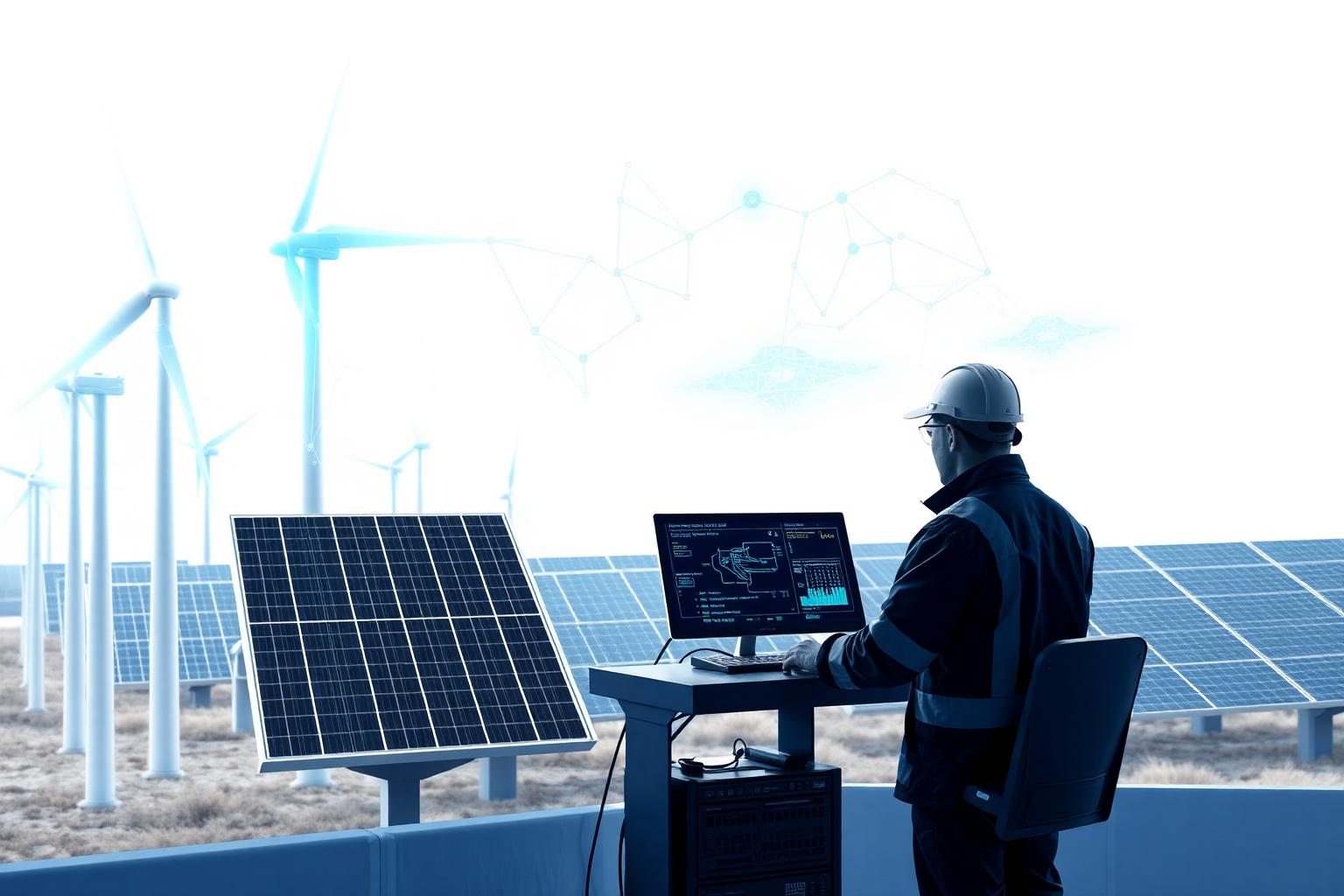
The Nature of the Energy & Utilities Industry
- →Asset-intensive operations: plants, grids, turbines, platforms and renewable installations with 25 to 60 year operating lives.
- →Large EPC projects in which handover of engineering data to the operator is a contractual deliverable and the foundation of future operations.
- →Heavy regulation on safety, environmental performance and grid compliance, with inspection and audit obligations throughout the asset life.
- →An energy transition that adds renewables, storage, hydrogen and grid-edge technology to portfolios built around conventional generation.
Typical Challenges in Innovation and New Product Development
Engineering data handover
Design and as-built information arrives from EPC contractors as unstructured documents, so operators start asset life without a reliable digital definition of what was built.
As-operated configuration drift
Modifications, replacements and temporary repairs during operations are documented inconsistently, so drawings and models no longer match the physical asset.
Equipment standardization
Similar assets are engineered differently across sites and projects, multiplying spare-part inventories and maintenance procedures.
Product development for equipment suppliers
Turbine, grid and storage manufacturers face long qualification cycles, site-specific engineering and severe reliability expectations.
Safety and regulatory evidence
Demonstrating compliance requires linking design basis, inspection records and modification history — usually reconstructed manually.
How PLM and AI Have Benefitted Energy & Utilities Companies
Structured handover and asset information management
PLM provides a governed structure for engineering deliverables so the operator receives validated, connected data instead of document dumps, making the asset usable digitally from day one.
Configuration control across the asset life
Managing modifications as controlled changes keeps the as-operated definition accurate, reducing incident risk and the engineering effort of every future project.
Standardized equipment and design reuse
Reference designs and classified equipment libraries cut project engineering time and consolidate spare-part inventories across sites.
Digital twins with AI-based prediction
Combining the engineering definition with operational sensor data enables machine learning models that predict failures, optimize output and schedule maintenance around production rather than the calendar.
AI for documentation and compliance search
Language models make decades of drawings, manuals and inspection reports searchable in natural language, so engineers find the design basis for a modification in minutes rather than days.
Outcomes We See in Energy & Utilities
- ✓Validated digital asset definition at handover
- ✓As-operated configuration that matches the physical plant
- ✓Lower project engineering cost through standardization
- ✓Higher availability from predictive, twin-based maintenance
Discuss Your Energy & Utilities Initiative
Tell us about your product development and PLM priorities and we will share how comparable energy & utilities organizations have approached them.